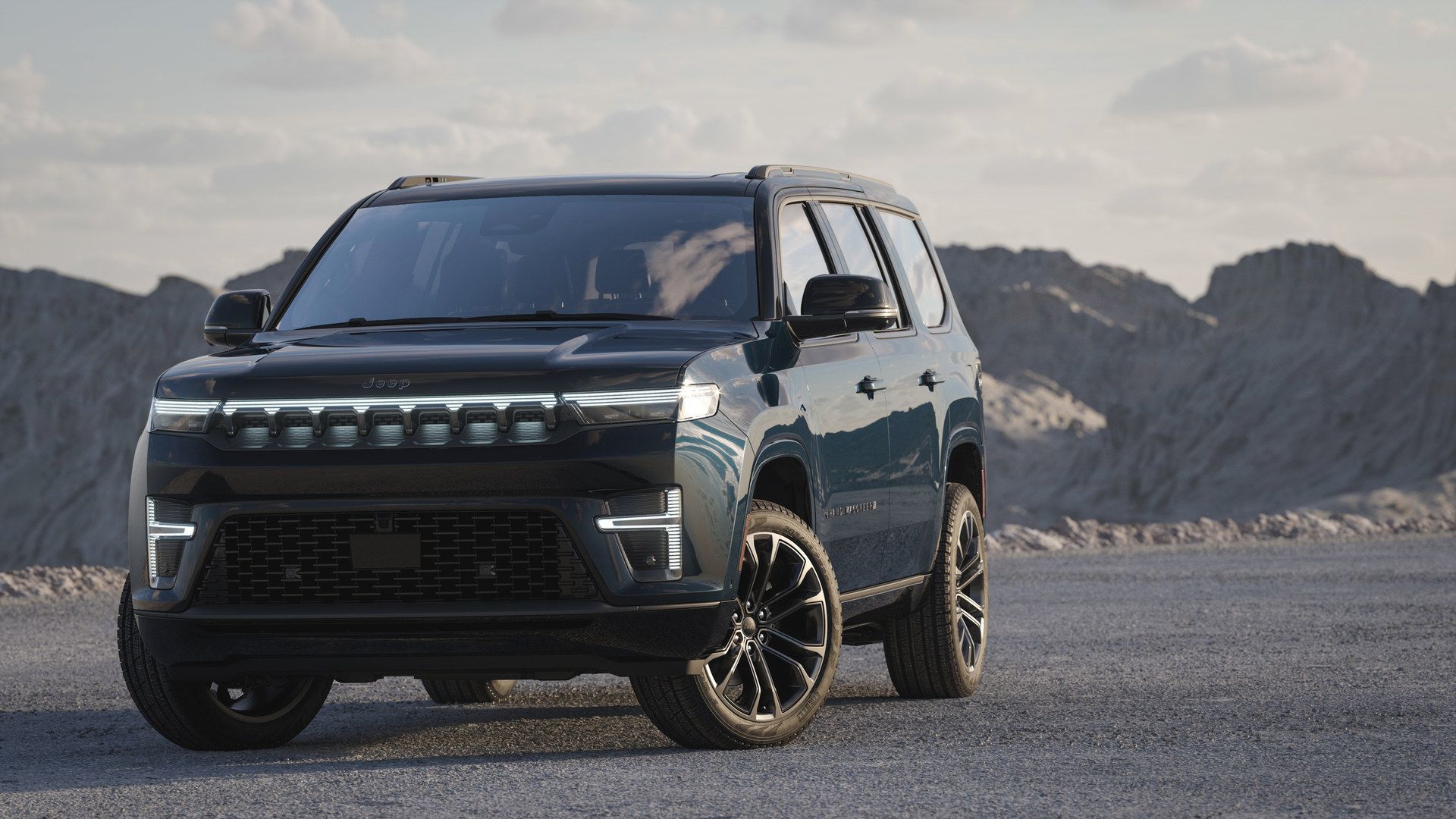
Choosing the right SUV for Ontario winters means balancing daily drivability with true winter confidence. The 2026 Jeep Compass, Wrangler, and Grand Cherokee each bring distinct strengths to snowy roads, icy driveways, and weekend trips up the Highway 11 corridor. Whether you're navigating Orillia's winter streets or heading to cottage country through unpredictable conditions, understanding how these three models differ in capability, comfort, and practicality helps you find the best match for your winter driving needs.
From compact urban agility to legendary off-road prowess, Jeep's 2026 lineup offers something for every Ontario driver. The Compass delivers efficient city driving with surprising winter capability, the Wrangler stands as the ultimate open-air adventure vehicle with unmatched traction, and the Grand Cherokee blends refined comfort with serious 4x4 systems. Let's break down how each model performs when the snow starts falling.
Winter Capability: Ground Clearance and 4x4 Systems
Ground clearance and four-wheel-drive systems form the foundation of winter confidence. The 2026 Jeep Wrangler leads with 215 mm to 327 mm (8.5 to 12.9 inches) of ground clearance depending on tire and suspension choice, making it the clear winner for deep snow and unplowed cottage roads. The Grand Cherokee follows with 215 mm to 320 mm (8.5 to 12.6 inches) of clearance, especially when equipped with the available Quadra-Lift air suspension that adjusts ride height for different conditions.
The Compass takes a more urban-focused approach. While specific ground clearance figures aren't detailed in available documentation, the Compass sits lower than its larger siblings, prioritizing everyday drivability over extreme off-road clearance. However, all three models come standard with four-wheel drive across their lineups, ensuring power reaches all four wheels when traction gets scarce.
Jeep's 4x4 systems vary by model and trim. The Compass uses a four-wheel-drive system with electronic controls, suitable for slippery highways and snow-covered parking lots. The Wrangler offers three advanced systems: Command-Trac (part-time), Rock-Trac (part-time or full-time with up to 100:1 crawl ratio on Rubicon models), and Selec-Trac (full-time on Moab 392). The Grand Cherokee delivers Quadra-Trac I for seamless full-time 4x4 or upgrades to Quadra-Trac II with low-range gearing and Selec-Terrain traction modes for snow, mud, and sand.
For Ontario drivers, this means the Wrangler and Grand Cherokee provide more sophisticated traction management for challenging conditions, while the Compass handles typical winter driving with confidence.
Heated Features and Cold-Weather Comfort
Staying warm during Ontario's long winters matters as much as getting through the snow. All three Jeep models offer heated front seats, with availability varying by trim. The Compass includes heated front seats starting at the North trim level, paired with a heated steering wheel to keep hands comfortable on cold mornings. The Wrangler adds heated seats as part of the Convenience Group package, along with a heated steering wheel and remote start for pre-warming the cabin.
The Grand Cherokee takes cold-weather comfort further. Heated front seats come standard on Limited trims and above, with available heated second-row seats for rear passengers. Ventilated front seats are also available, useful for Ontario's humid summer drives after winter ends. The Grand Cherokee's dual-zone automatic climate control ensures both driver and front passenger can set their preferred temperature, while rear vents help warm the back seats faster.
Remote start systems appear across all three models, either as standard equipment or optional additions. This feature proves invaluable for Ontario winters, letting you warm the cabin and defrost windows before stepping outside. The Wrangler and Grand Cherokee also offer windshield wiper de-icers on select trims, melting ice buildup on wiper blades for clearer visibility during freezing rain.
Power and Fuel Economy in Cold Weather
Engine choice affects both winter performance and fuel costs. The 2026 Compass uses a 2.0 L 4-cylinder turbocharged engine producing 200 hp and 221 lb-ft of torque, paired with an eight-speed automatic transmission. Fuel economy sits at 10.0 L/100 km city and 7.5 L/100 km highway, offering strong efficiency for daily Orillia commutes and longer highway drives.
The Wrangler provides three engine options. The standard 3.6 L V-6 engine delivers 285 hp and 260 lb-ft of torque, with fuel economy around 11.6 L/100 km city and 10.2 L/100 km highway on two-door models with automatic transmission. The optional 2.0 L 4-cylinder turbocharged engine produces 270 hp and 295 lb-ft of torque, matching the Compass's turbocharged efficiency. The range-topping 6.4 L V-8 engine on the Moab 392 trim generates 470 hp and 470 lb-ft of torque, prioritizing power over efficiency.
The Grand Cherokee offers the widest powertrain range. The base 3.6 L V-6 engine makes 293 hp and 260 lb-ft of torque, similar to the Wrangler's V-6. The new 2.0 L Hurricane 4 Turbo engine, available on Laredo Altitude and higher trims, produces 324 hp and 332 lb-ft of torque with an estimated driving range up to 851 kilometres on a single tank. Fuel economy figures for the Hurricane 4 remain to be determined. The Grand Cherokee 4xe plug-in hybrid combines a 2.0 L turbocharged engine with electric motors for 270 hp from the gas engine alone, plus 470 lb-ft of combined torque. The 4xe's instant electric torque helps with low-speed traction on ice and snow.
Cold weather reduces fuel economy across all vehicles, but turbocharged engines and hybrids typically see less impact than naturally aspirated engines. The Compass and Grand Cherokee's turbocharged options balance power with efficiency, while the Wrangler's V-6 and V-8 prioritize capability over economy.
Cargo Space and Family Practicality
Winter gear, hockey equipment, and cottage supplies demand cargo space. The Compass offers 1,700 litres of cargo volume with rear seats folded, suitable for weekend trips and sports gear. The compact size makes parking in Orillia's downtown core easier, while still providing enough room for winter essentials.
The Wrangler delivers 897.6 litres (31.7 cubic feet) of cargo space behind the rear seats in four-door models, expanding to 2,050.1 litres (72.4 cubic feet) with seats folded. The Wrangler's boxy shape and wide rear opening simplify loading bulky items like skis and snowboards. Removable doors and roof panels add open-air versatility once spring arrives.
The Grand Cherokee provides the most refined cargo experience. Two-row models offer generous space for luggage and winter gear, while the Grand Cherokee L adds a third row for up to seven passengers. Best-in-class second-row legroom ensures rear passengers stay comfortable on long drives to Muskoka or beyond. The power liftgate, available across most trims, helps when your hands are full of groceries or gear.
Towing Capacity for Winter Adventures
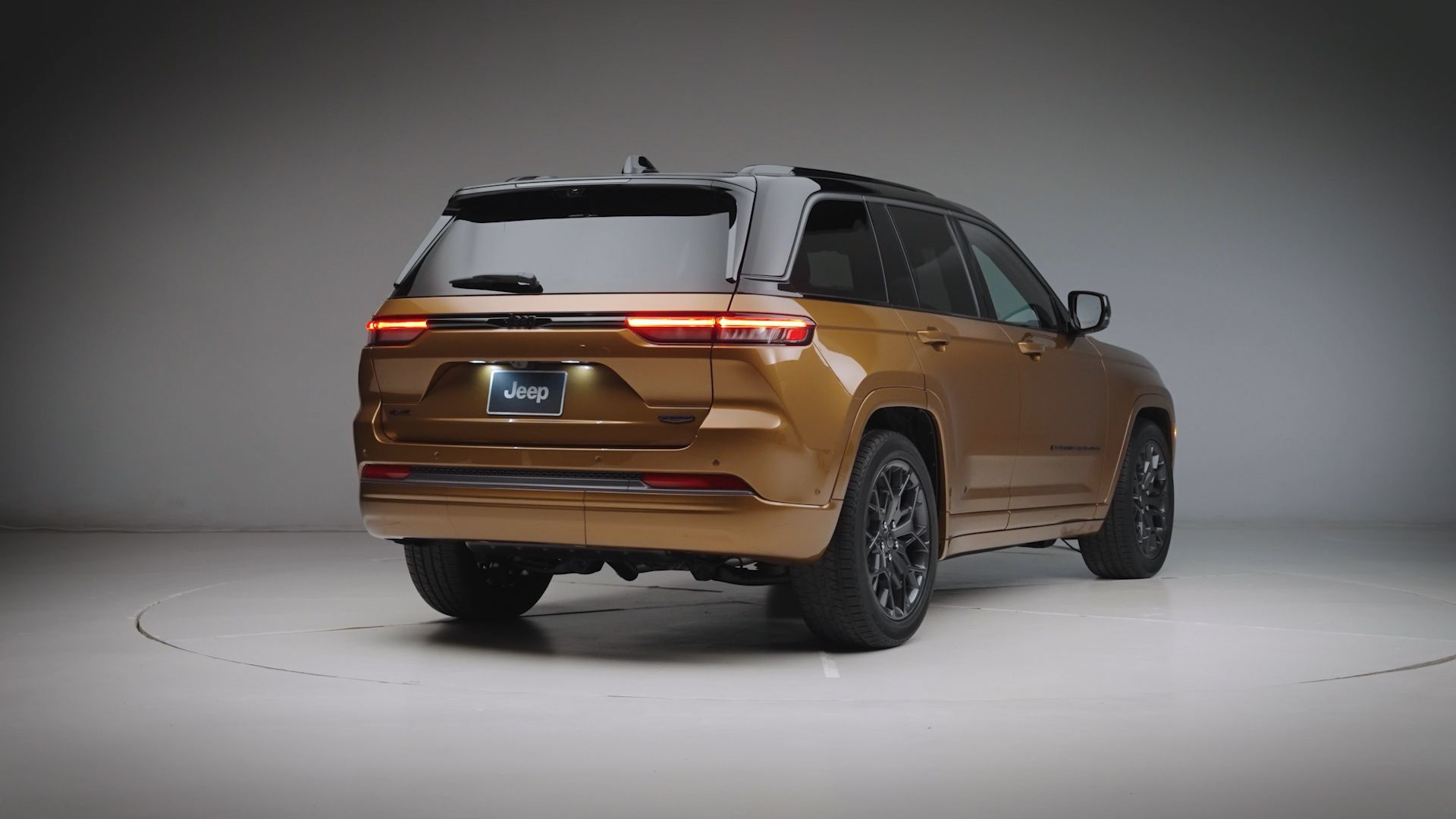
Towing snowmobiles, ice fishing huts, or utility trailers adds another dimension to winter capability. The Compass handles up to 907 kg (2,000 lbs) when properly equipped, sufficient for small trailers and light recreational gear.
The Wrangler steps up to 2,267 kg (5,000 lbs) maximum towing capacity on four-door Rubicon models with the 4.10 automatic axle ratio. This capacity suits larger snowmobile trailers and enclosed cargo trailers. The Wrangler's body-on-frame construction and low-range gearing provide strong towing confidence.
The Grand Cherokee leads with up to 2,812 kg (6,200 lbs) of towing capacity when equipped with the Hurricane 4 Turbo engine and proper towing package. This capability handles enclosed trailers, boat trailers (for ice fishing), and larger recreational equipment. The Grand Cherokee's Trailer Tow Group adds features like trailer sway control and integrated trailer brake control for safer towing in winter conditions.
At a Glance: 2026 Jeep Compass, Wrangler, and Grand Cherokee
|
Feature
|
Compass
|
Wrangler
|
Grand Cherokee
|
|
Engine Options
|
2.0 L turbo I-4 (200 hp)
|
3.6 L V-6 (285 hp), 2.0 L turbo I-4 (270 hp), 6.4 L V-8 (470 hp)
|
3.6 L V-6 (293 hp), 2.0 L Hurricane 4 Turbo (324 hp), 4xe PHEV (470 lb-ft)
|
|
Ground Clearance
|
Compact SUV height
|
215–327 mm (8.5–12.9 in)
|
215–320 mm (8.5–12.6 in)
|
|
4x4 Systems
|
Standard 4WD
|
Command-Trac, Rock-Trac, Selec-Trac
|
Quadra-Trac I/II, Quadra-Lift air suspension
|
|
Fuel Economy (City/Hwy)
|
10.0/7.5 L/100 km
|
11.6/10.2 L/100 km (3.6L V-6)
|
TBD (Hurricane 4), varies by engine
|
|
Towing Capacity
|
907 kg (2,000 lbs)
|
Up to 2,267 kg (5,000 lbs)
|
Up to 2,812 kg (6,200 lbs)
|
|
Cargo Volume (Seats Folded)
|
1,700 litres
|
2,050 litres (4-door)
|
Varies by model (L adds third row)
|
|
Heated Features
|
Heated seats, steering wheel (North+)
|
Heated seats, steering wheel (package)
|
Heated front/rear seats, steering wheel
|
|
Best For
|
Urban winter driving, efficiency
|
Off-road capability, open-air freedom
|
Refined comfort, family hauling, towing
|
Which Jeep Fits Your Ontario Winter?
Choosing between the Compass, Wrangler, and Grand Cherokee depends on how you balance daily driving with winter adventures. The Compass suits Ontario drivers who prioritize fuel efficiency and urban maneuverability without sacrificing four-wheel-drive confidence. Its compact size makes parking easier in Orillia's downtown core, while heated seats and standard 4WD handle typical winter commutes with ease.
The Wrangler appeals to drivers who demand maximum off-road capability and don't mind trading some on-road refinement for legendary traction. If your winter includes unplowed cottage roads, deep snow, or serious off-roading, the Wrangler's ground clearance and advanced 4x4 systems deliver unmatched confidence. The removable doors and roof also provide open-air freedom once warmer weather returns.
The Grand Cherokee balances winter capability with daily comfort. Families hauling kids to hockey practice, couples taking weekend trips to Muskoka, or anyone towing recreational gear will appreciate the Grand Cherokee's refined interior, advanced safety features, and strong towing capacity. The available Quadra-Lift air suspension adjusts ride height for different conditions, while the 4xe plug-in hybrid adds instant electric torque for low-speed winter traction.
No matter which model you choose, all three Jeep SUVs deliver standard four-wheel drive, heated features, and the capability to handle Ontario's toughest winter conditions. The key is matching the vehicle's strengths to your specific driving needs and lifestyle.
Experience Winter-Ready Jeep Models at Hwy 11 Chrysler in Orillia
Discover how the 2026 Jeep Compass, Wrangler, and Grand Cherokee perform in real-world Ontario winter conditions. Visit Hwy 11 Chrysler in Orillia to explore each model's 4x4 systems, heated features, and cargo versatility. Our team can help you compare trims, test drive your top choices, and find the perfect Jeep for your winter adventures across Ontario.